Behind every successful specialist field service business is something that can’t be replicated overnight.
A team of people who understand their customers, know their equipment and take pride in doing the job properly.
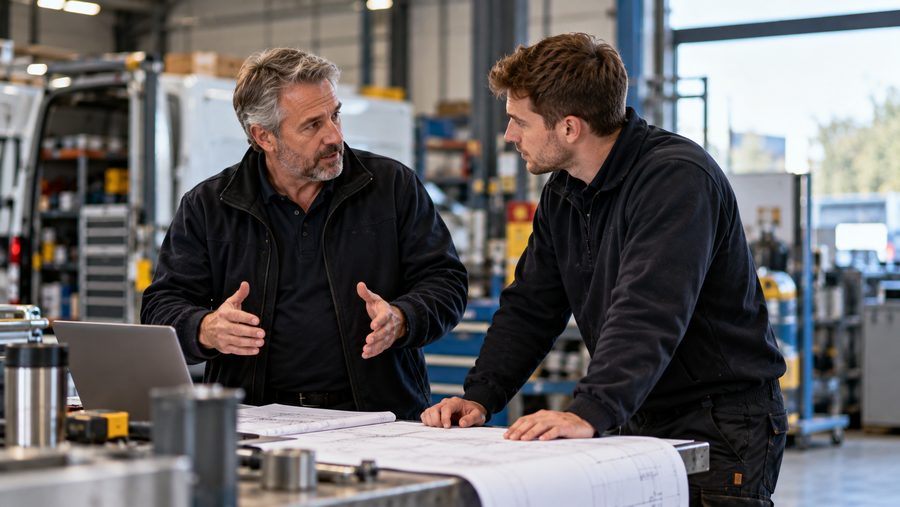
The engineer who recognises a problem before it becomes a failure. The experienced technician who takes time to develop an apprentice. The service manager who keeps everything moving when the unexpected happens.
These are the people who turn technical expertise into customer trust, strong reputations and successful businesses.
And as the industry evolves, their importance will only grow.
Technology, automation and efficiency will undoubtedly play important roles in shaping the future of field services.
But we believe the biggest long-term opportunity is creating businesses where skilled people can do their best work, develop their careers and share their expertise with the next generation.
Technical skills are the foundation of the industry
Specialist field services covers a wide range of disciplines.
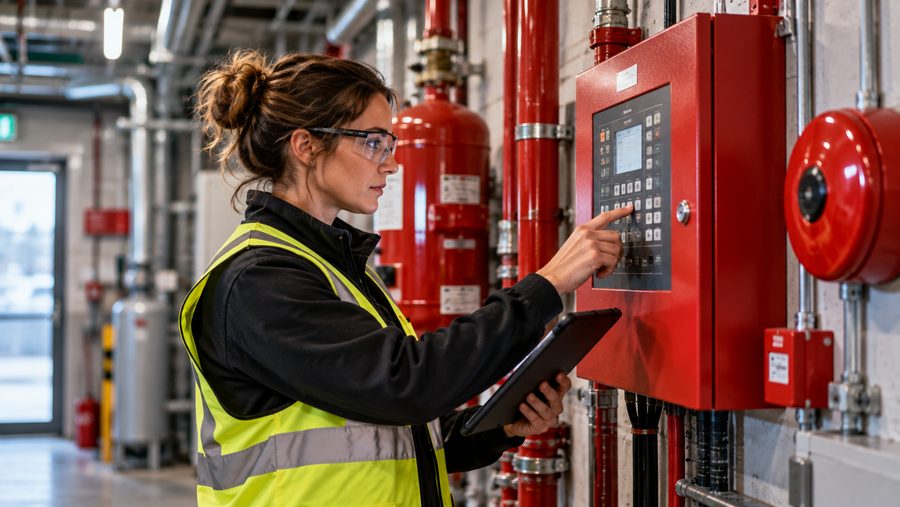
Fire safety engineers, HVAC technicians, water treatment specialists, electrical professionals and medical equipment technicians all work in environments requiring different combinations of knowledge, qualifications and experience.
Their work can involve complex equipment, demanding customer requirements and significant responsibilities.
Technical competence isn’t optional.
It is fundamental to delivering safe, reliable and high-quality services.
But technical capability takes time to develop.
Qualifications and formal training provide an essential foundation. Practical experience develops judgement, confidence and the ability to deal with unexpected situations.
For employers, this means building a strong team requires more than simply filling vacancies.
It requires a long-term commitment to developing people.
Attracting the next generation
One of the challenges facing many technical industries is helping younger people understand the opportunities available.
Field services offers a remarkable variety of careers.
Employees can work with advanced equipment, develop specialist technical skills, solve practical problems and take on meaningful responsibilities.
There are opportunities to progress into technical leadership, customer management, operations, training and business leadership.
But these career paths are not always obvious to people considering their future.
Businesses have an opportunity to change that.
By engaging with schools and colleges, supporting apprenticeships and demonstrating what modern technical careers involve, the sector can attract people who might never previously have considered it.
There is also an opportunity to challenge outdated perceptions.
Field services is not simply about repairing equipment.
It is about applying expertise, understanding complex systems, supporting essential infrastructure and helping organisations operate safely and effectively.
That is a compelling proposition for a new generation of talent.
Retention begins with opportunity
Recruitment is only part of the challenge.
Retaining experienced employees is equally important.
People want to feel valued. They want to develop their skills. They want to understand how their careers can progress.
And they want to work in environments where their expertise is respected.
For specialist service businesses, creating those conditions can be a powerful competitive advantage.
Clear career pathways can help employees see a future within the organisation.
Ongoing training can develop new capabilities.
Mentoring can help experienced professionals pass on their knowledge.
And strong leadership can create a culture where employees feel supported rather than simply managed.
These aren’t just human resources initiatives.
They’re investments in the long-term capability of the business.
The importance of knowledge sharing
Some of the most valuable knowledge in a specialist service business is never written down.
It exists in the experience of employees who have spent years working with particular systems, customers and environments.
They understand recurring problems, unusual equipment characteristics and practical solutions developed through experience.
That knowledge is enormously valuable.
But when it remains concentrated in individuals, it can also be difficult to preserve.
Businesses can address this by creating more deliberate opportunities for knowledge sharing.
Structured mentoring, technical training sessions, documented lessons from completed work and opportunities for engineers to learn from colleagues with different specialisms can all help preserve and develop expertise.
The objective should be to make knowledge easier to share without losing the practical judgement that makes it valuable.
Giving engineers more time to be engineers
Skilled professionals should be able to spend their time on work that benefits from their expertise.
Yet in many organisations, administrative requirements, fragmented information and unnecessary communication can create frustration.
Modern technology offers opportunities to reduce some of that burden.
Making approved technical information easier to find, simplifying routine administrative activities, improving communication between teams and helping employees access relevant training can all contribute to a better working environment.
These improvements can strengthen the employee experience while supporting business performance.
The most valuable technology is often the technology that removes unnecessary friction from everyday work.
The opportunity within a wider group
Bringing complementary specialist field service businesses together creates an opportunity to build something more than a collection of companies.
It creates the potential for a wider community of expertise, where people can learn from one another, develop new capabilities and access opportunities that might not have existed within their individual businesses.
For employees, that could mean exposure to different technical disciplines, broader training programmes and clearer pathways into leadership.
For businesses, it creates opportunities to share knowledge, strengthen teams and invest in the next generation of talent.
An experienced engineer could help colleagues in another business solve a complex technical challenge.
A promising manager could learn from established leaders elsewhere in the group.
A successful apprenticeship or training initiative could provide a model for other teams.
These opportunities can strengthen individual businesses while making the wider organisation a more attractive place to build a career.
However, collaboration should complement the strengths of local teams rather than undermine them.
The best outcomes will come from respecting established expertise and giving people additional opportunities to succeed.
Culture is built through everyday decisions
It’s easy for businesses to talk about culture.
Creating a strong one requires consistent action.
How are employees treated when things go wrong?
Are safety and quality prioritised?
Do managers listen to feedback?
Are people encouraged to develop?
Is good work recognised?
These everyday decisions shape how employees experience an organisation.
And over time, they influence retention, performance and customer relationships.
A business that invests in its people is investing in its future.
Building a future people want to be part of
At Phixr, our ambition is to acquire and build exceptional specialist field service businesses, creating a group where expertise is valued, talent is developed and people have the opportunity to achieve more.
We believe that bringing great businesses together should create new possibilities not only for their owners and customers, but for the people who make them successful.
More opportunities to learn.
More opportunities to progress.
More opportunities to contribute to something bigger.
Investment and intelligent technology will play important roles in that future.
But people will always be at its centre.
Because the next generation of field services won’t simply be built around better businesses. It will be built around the people who make those businesses exceptional.
Discover more about Phixr.
Find out more about who we are and our vision for specialist field services — or start a confidential conversation.